
Overview
| Course | Engr. 1, Intro. to Rocketry (E1RK) |
| Mentors | Nicholas Veracruz (SpaceX, Relativity) · Caitlyn Hill (SpaceX) |
| Design | SolidWorks · OpenRocket · Theodore von Kármán |
| Build | FDM 3D Print |
| Material | Polylactic Acid (PLA) |
| Color | Grass Green |
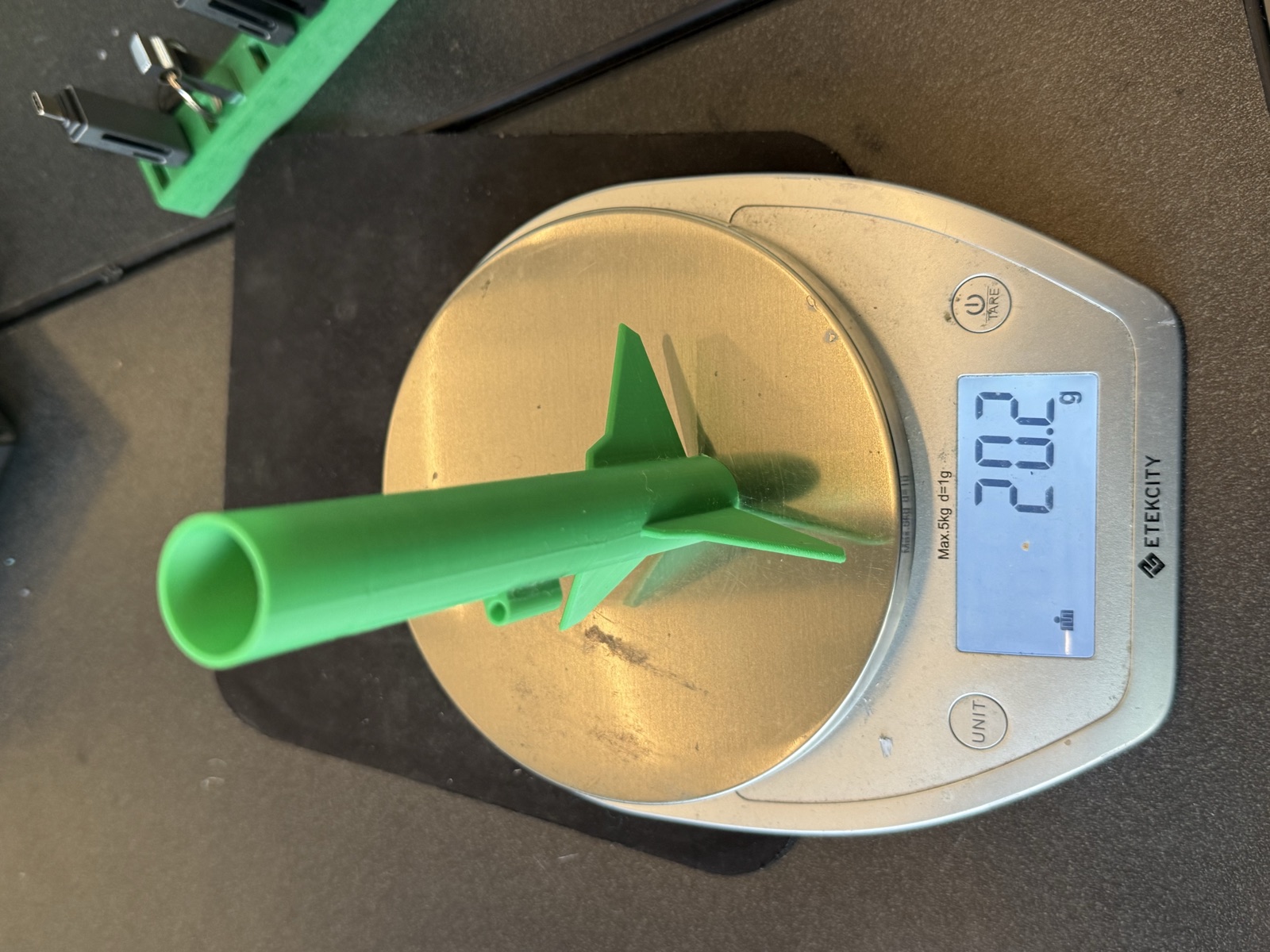
Fuselage weight
Apogee
Height
Constraints
Engineered to a tight flight envelope: under 3 oz with the Estes A8-3 motor, 1.10 to 2.50 calibers of static stability, at least 15.24 m/s rail-exit velocity, under 5 m/s descent, and a fully 3D-printed PLA airframe with parachute recovery and at least 15 cm^3 of chute space.
Approach
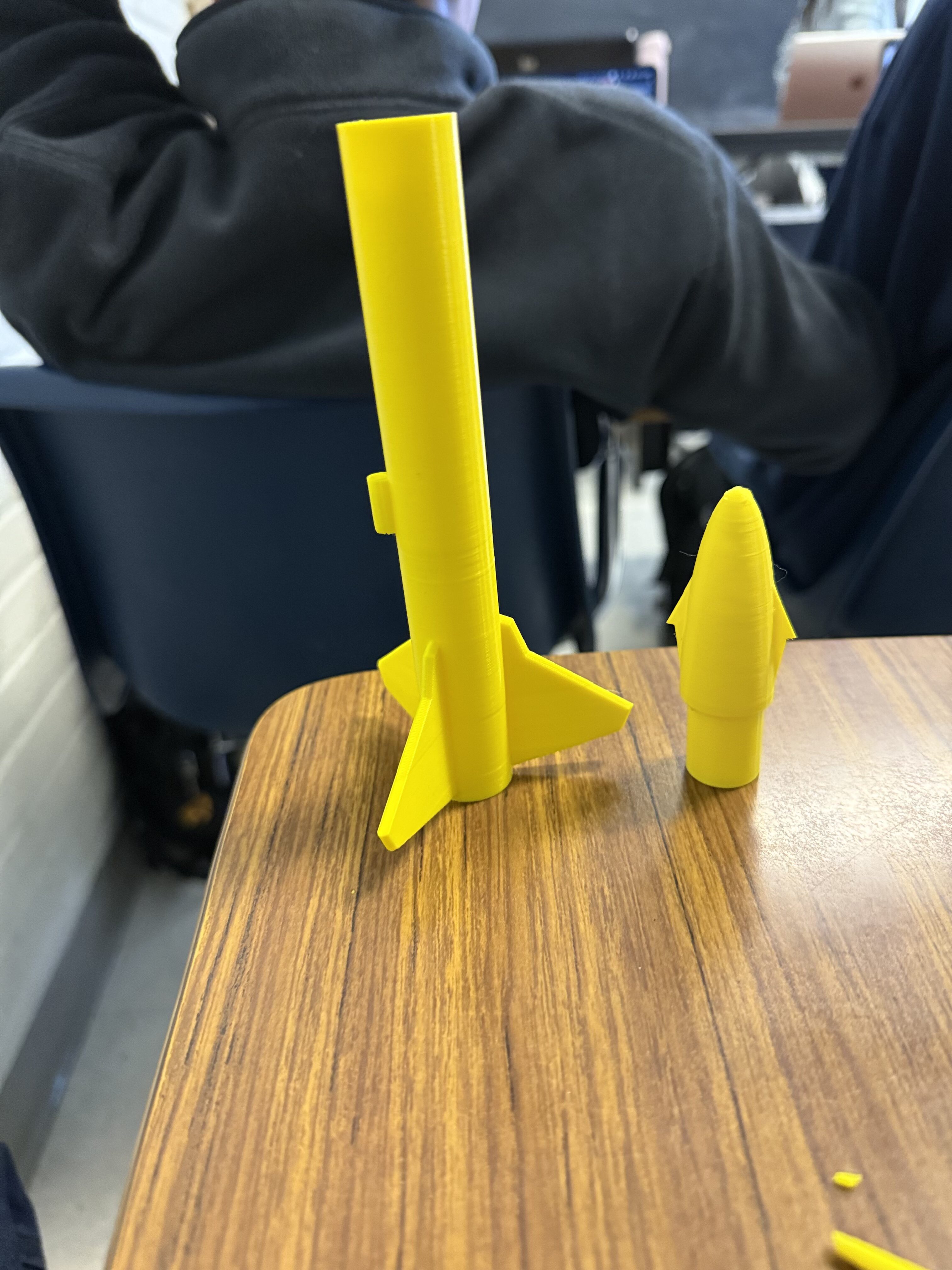
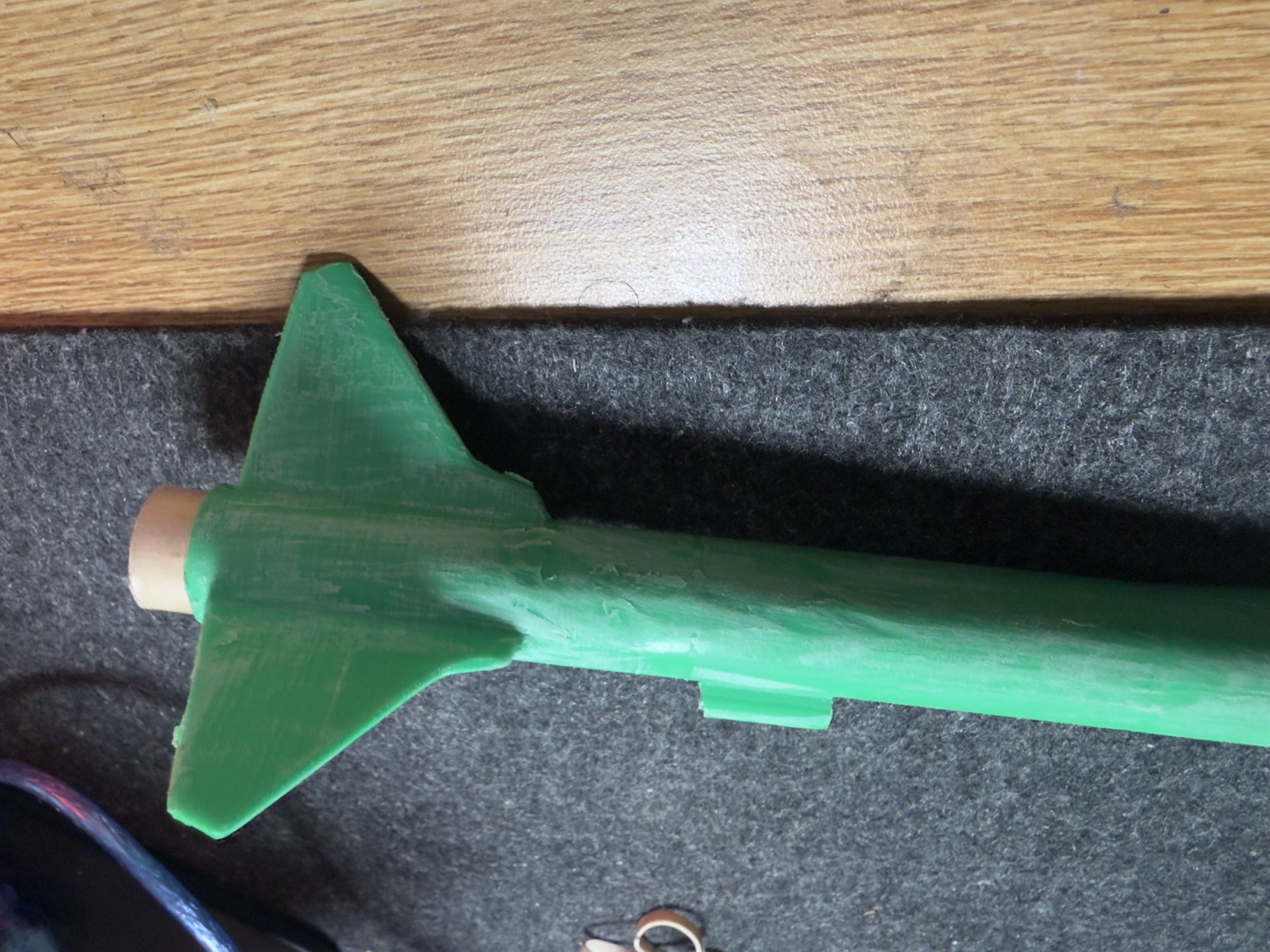
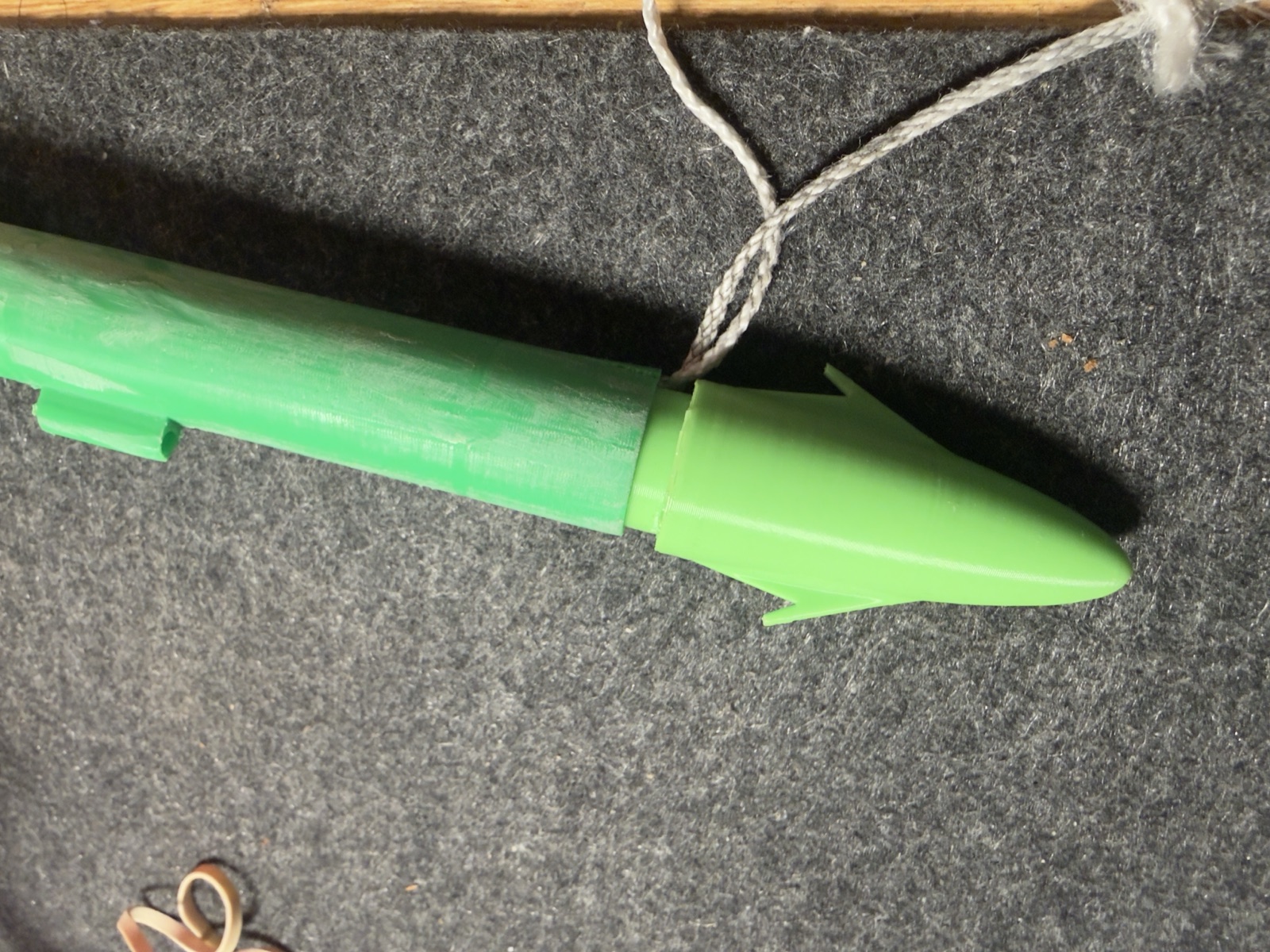
Designed a freeform three-fin airframe in SolidWorks with an elliptical nosecone and Starship-inspired nose fins, then validated static stability and flight performance in OpenRocket against the 1.10 to 2.50 caliber target.
Build
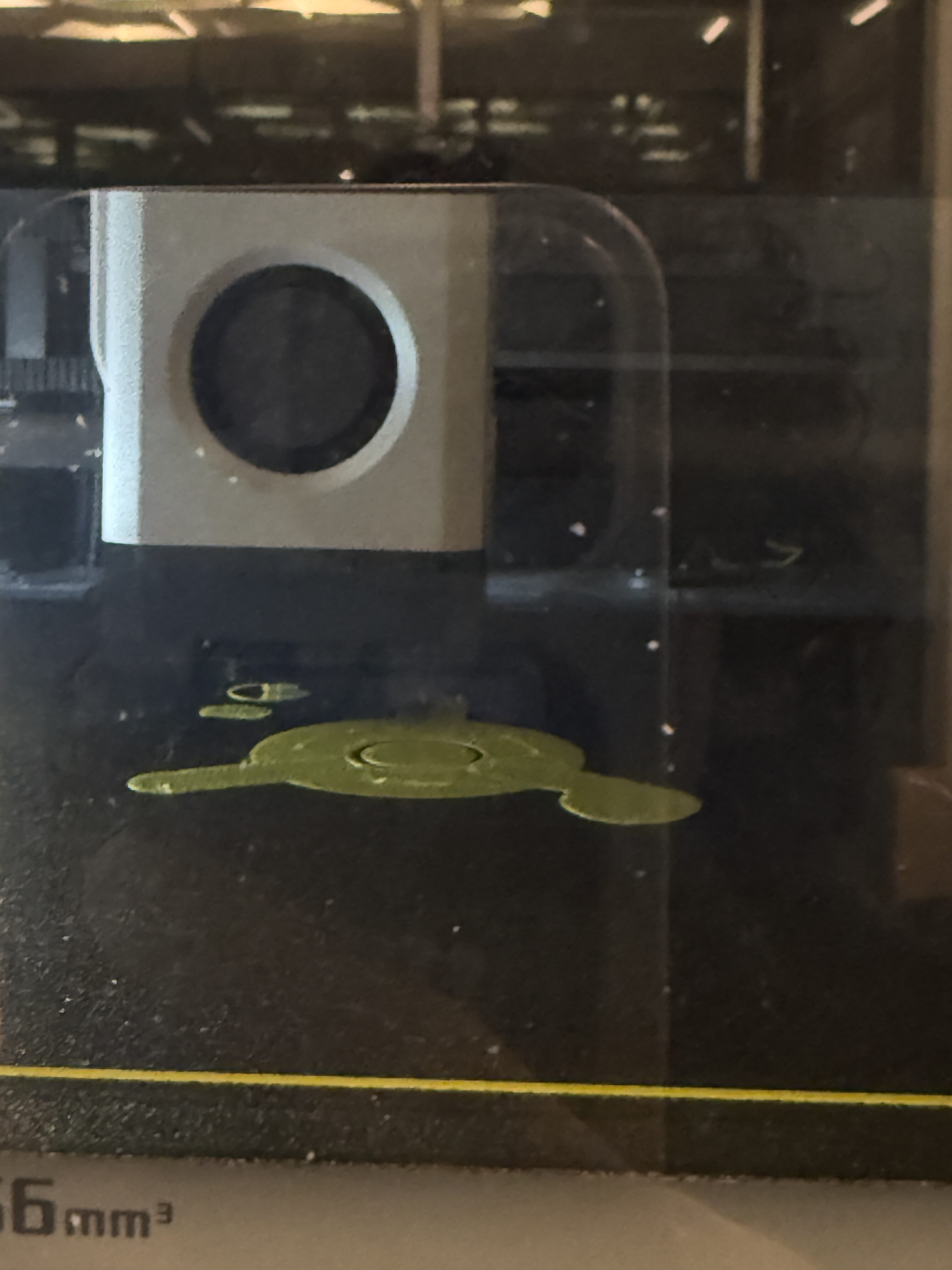
Led build of the all-PLA airframe, printing four body-tube iterations to converge on the thinnest structurally viable wall and minimize mass against the under-3 oz limit, plus three nosecone iterations to resolve nose-fin printability at small scale.
Analysis
The internal shock-cord ring cut into parachute space. Verified in OpenRocket that total mass held under 3 oz and rail-exit velocity stayed above 15.24 m/s.
Design Review
Result
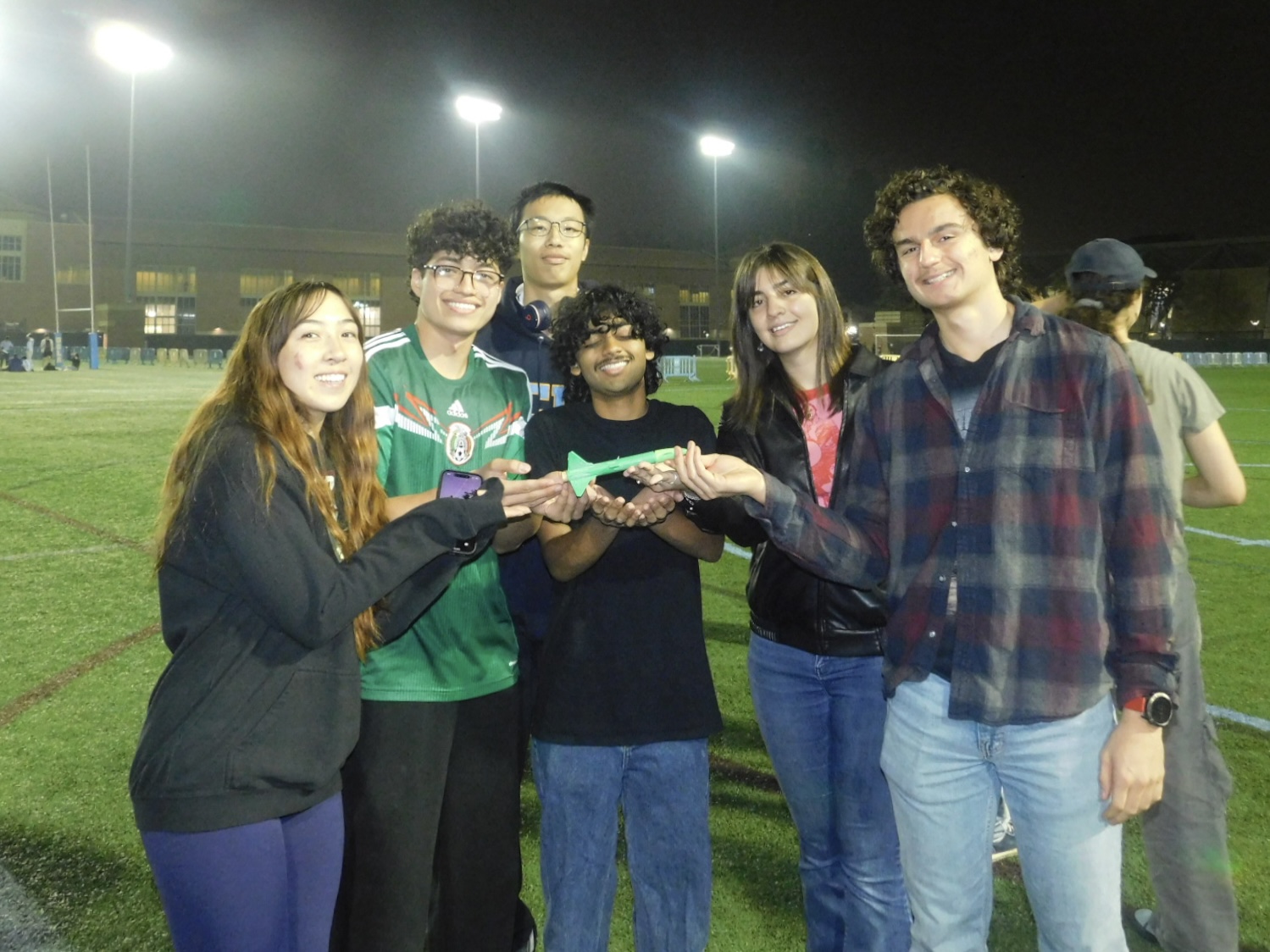
Achieved a near-vertical boost with only a slight launch-rail angle; the parachute failed to deploy, but the shock-cord held, and the airframe survived.
Reflection
With airframe/stability proven in flight, the recovery failure taught me a valuable lesson. I'd improve our recovery system design, as the constrained parachute space most likely drove the non-deployment.