

Overview
| Length | 16 ft |
| Diameter | 9 ft |
| Operating Depth | 35 ft |
| Buoyancy | Neutral |
| Configuration | Open-frame, wet-sub |
| Design | Siemens NX |
| Application | Civilian EVA Training |
| Research | Human Factors · Teamwork |
| Mentors | Eduardo Diaz (CEO, NASA Ames) · Yi So-yeon (Korean Astronaut, KAIST) |
Full-scale length
Operating depth
Prototype scale ratio
Problem
Tasked with v3 of AdvancingX's EVA training submersible, I delivered a 9-ft, transport-modular wet sub that had neutral buoyancy for human-factors experiments, inside a PVC-and-store-bought budget that banned electronics, chemicals, and machined parts.
Approach
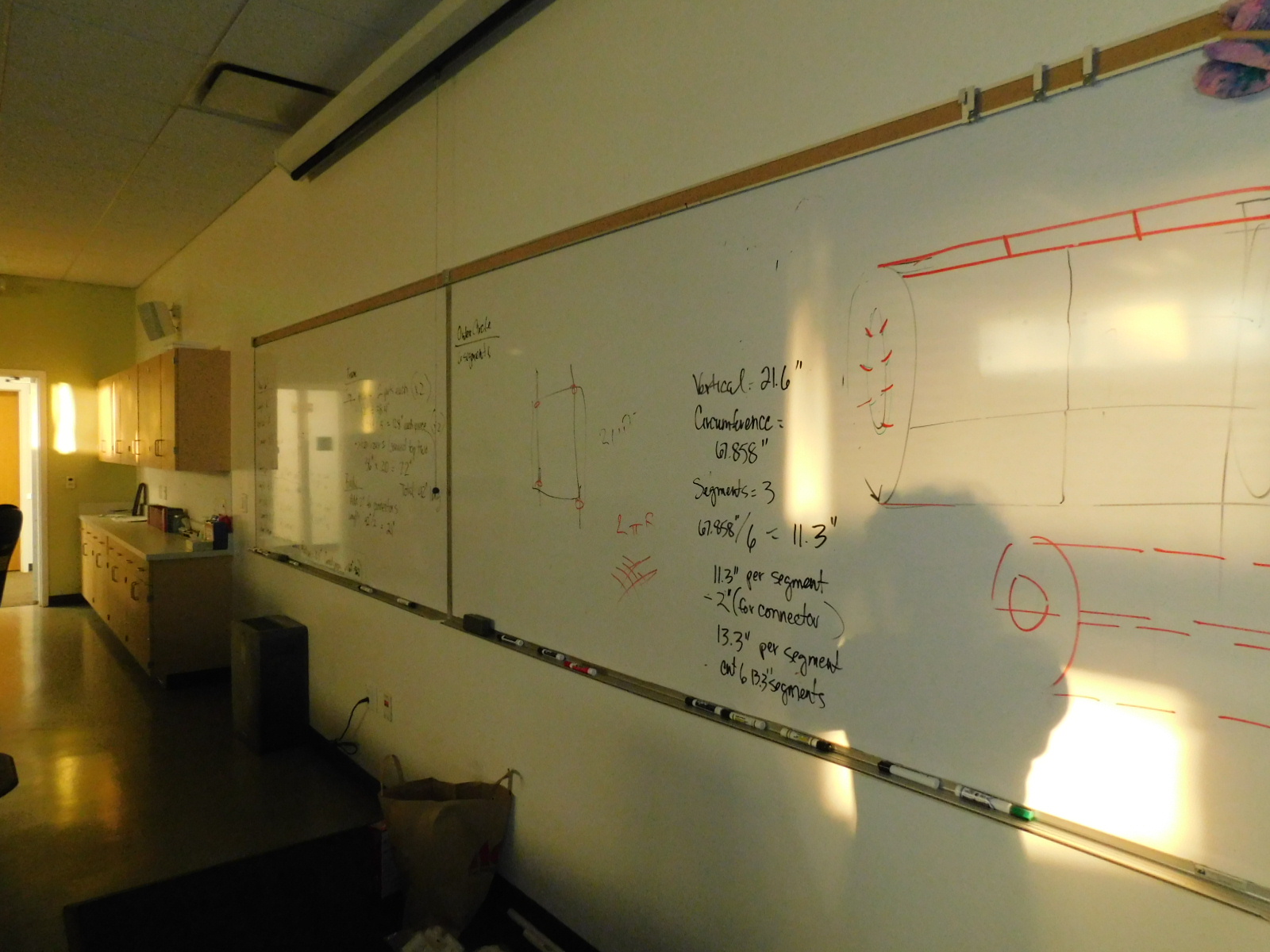
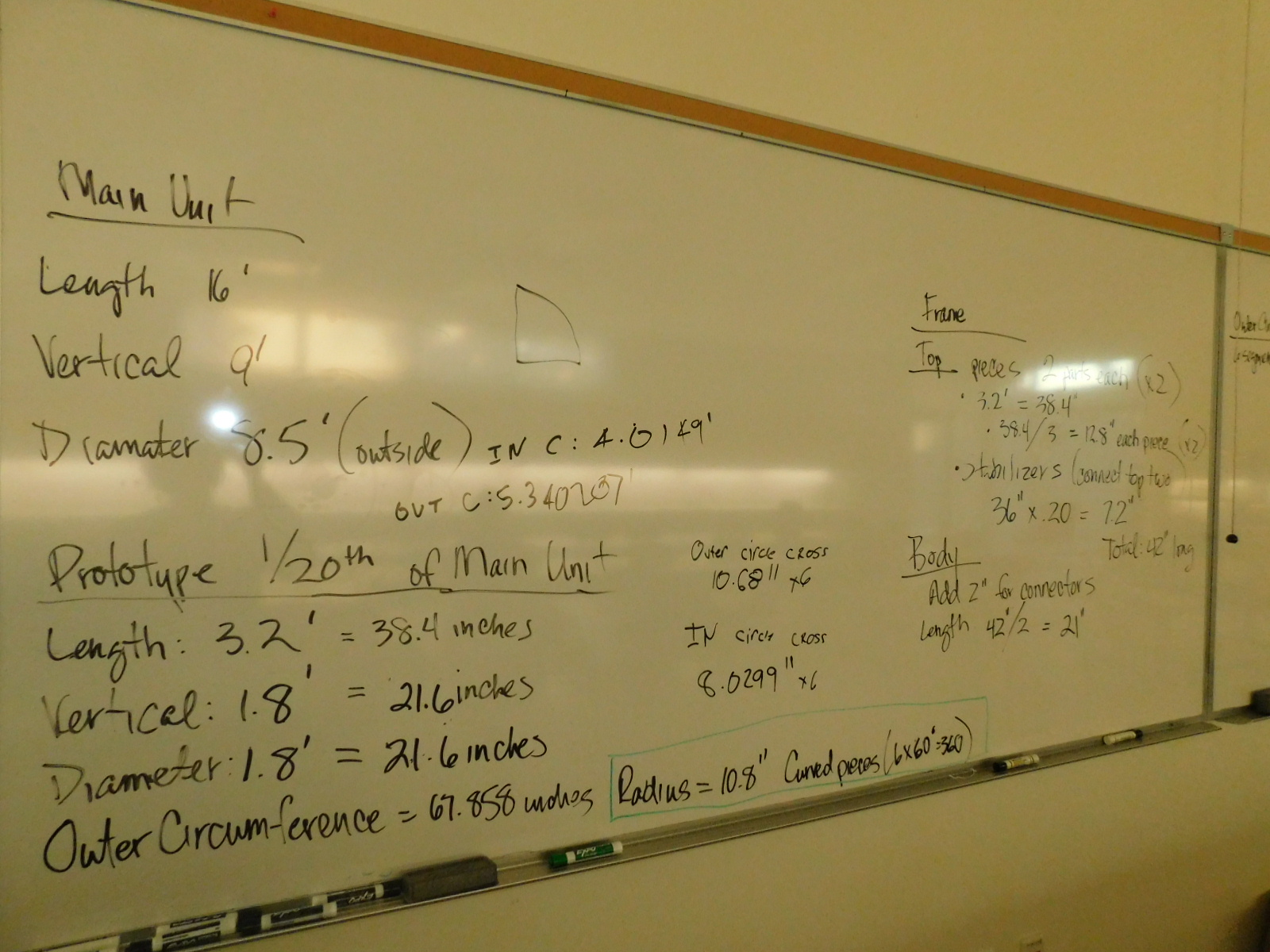
Recognizing that an open frame displaces none of its 9-ft envelope, I treated each pipe section as a air-filled buoyancy element and solved the structure with trigonometric sizing and Archimedes-based buoyancy math in Siemens NX. I de-risked the design through a phased pipeline (drawings, advisor iteration, procurement, 1/20th-scale prototype, then full scale).
Build
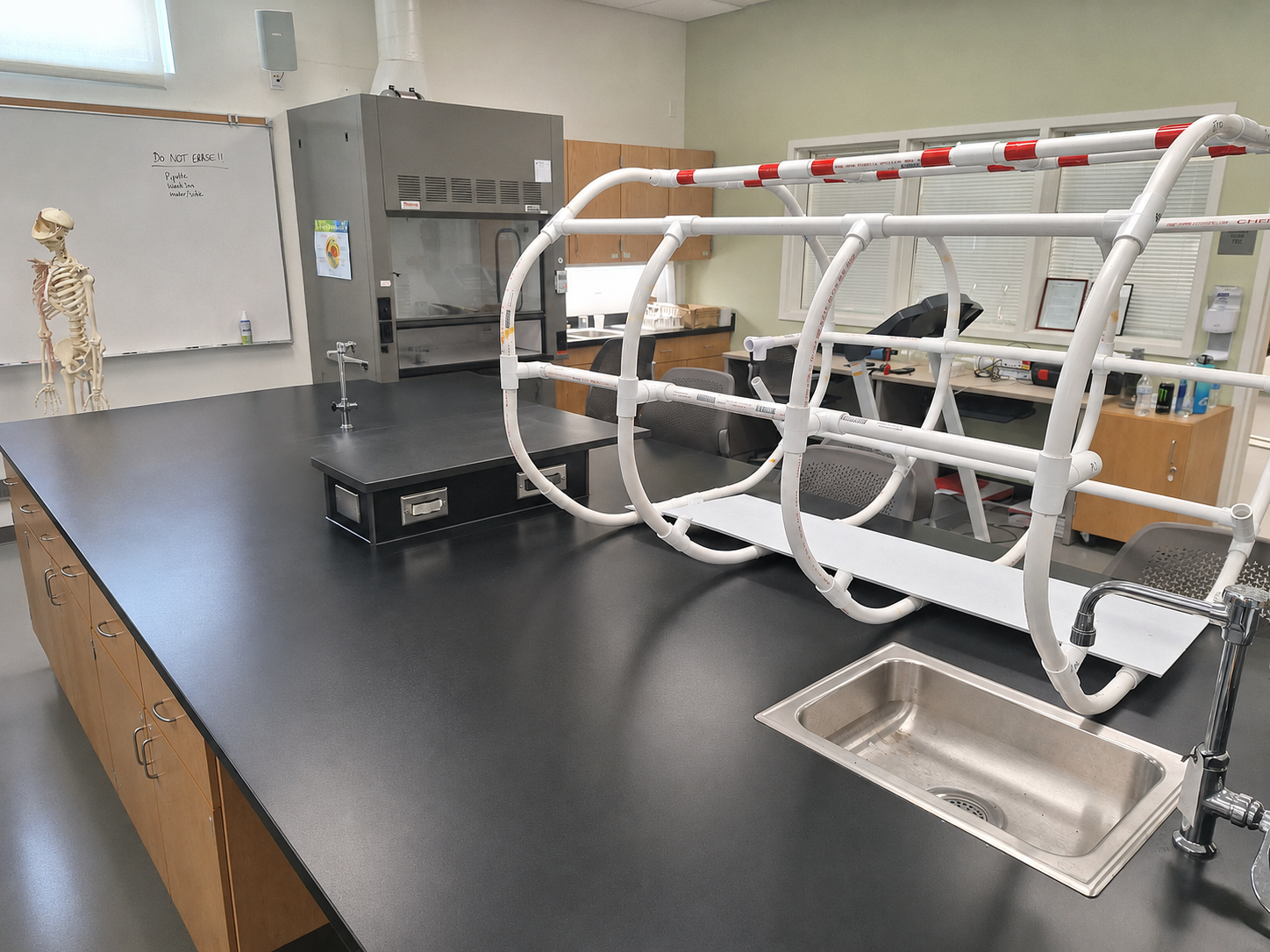
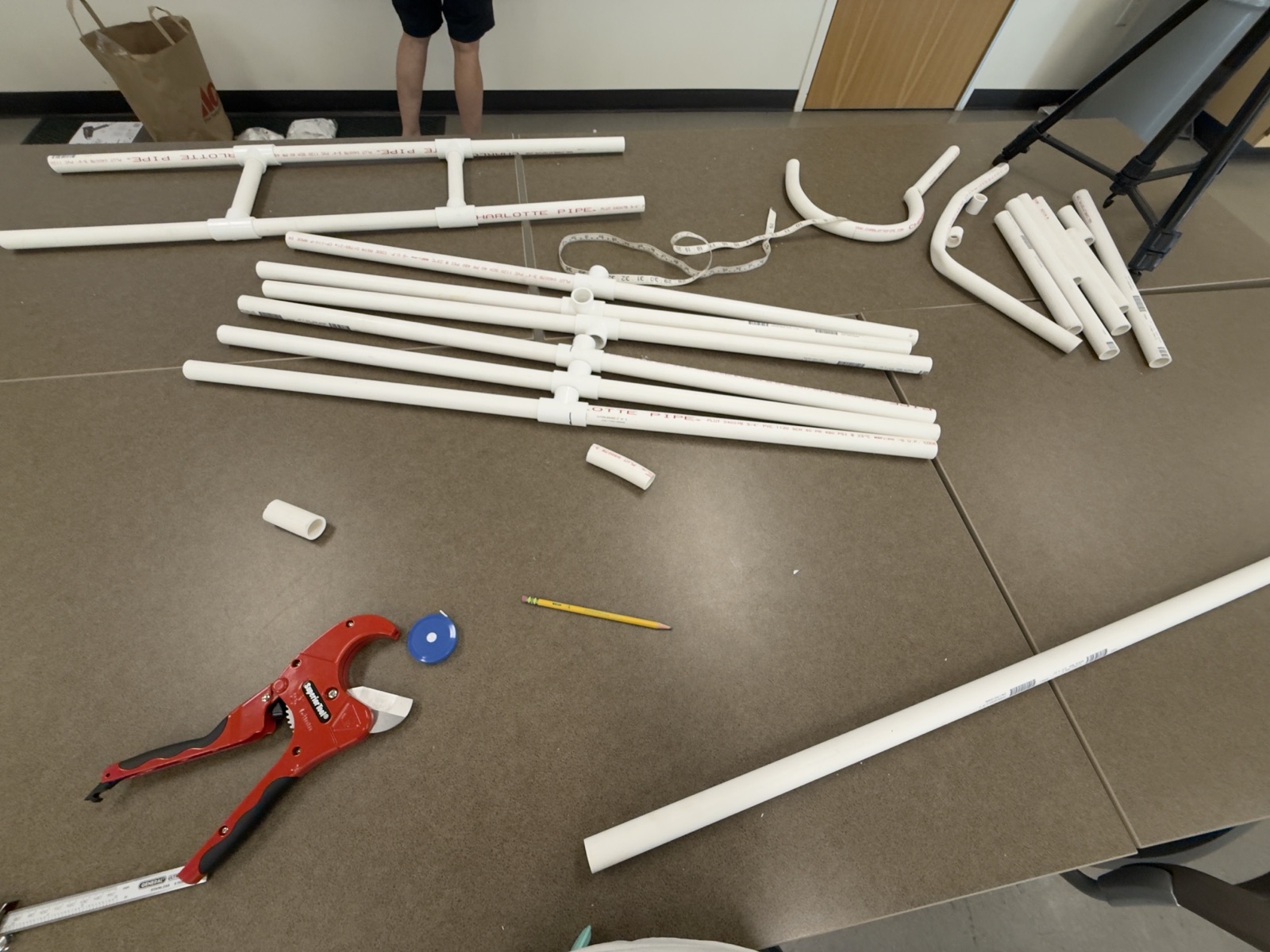
I built a 1/20th-scale prototype from two 20-ft PVC lengths, cutting and heat-bending the pipe into an cross frame with ring sections that form the required central circle. To reduce cost, I 3D-printed custom pipe connectors and sized the full-scale structure toward a calculated neutral-buoyancy target of 104.8 lb of counterweight.
Analysis
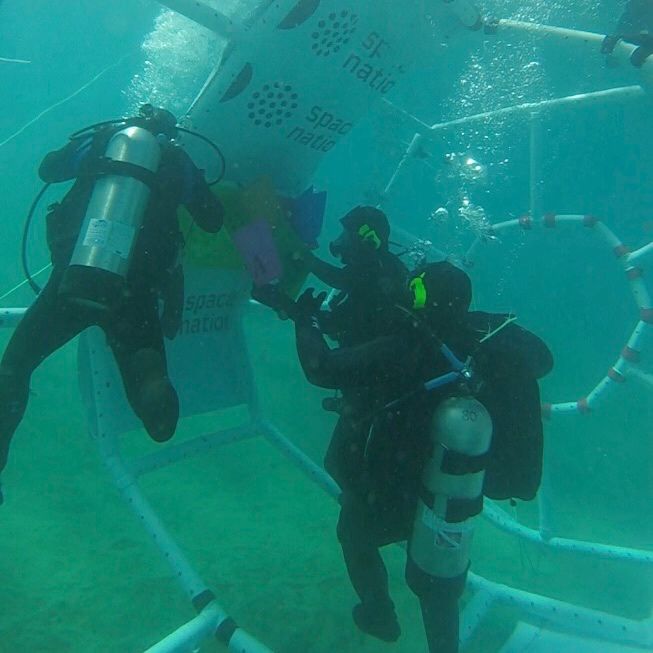
Open-water testing of the 1/20th-scale prototype confirmed the passive design held neutral buoyancy.
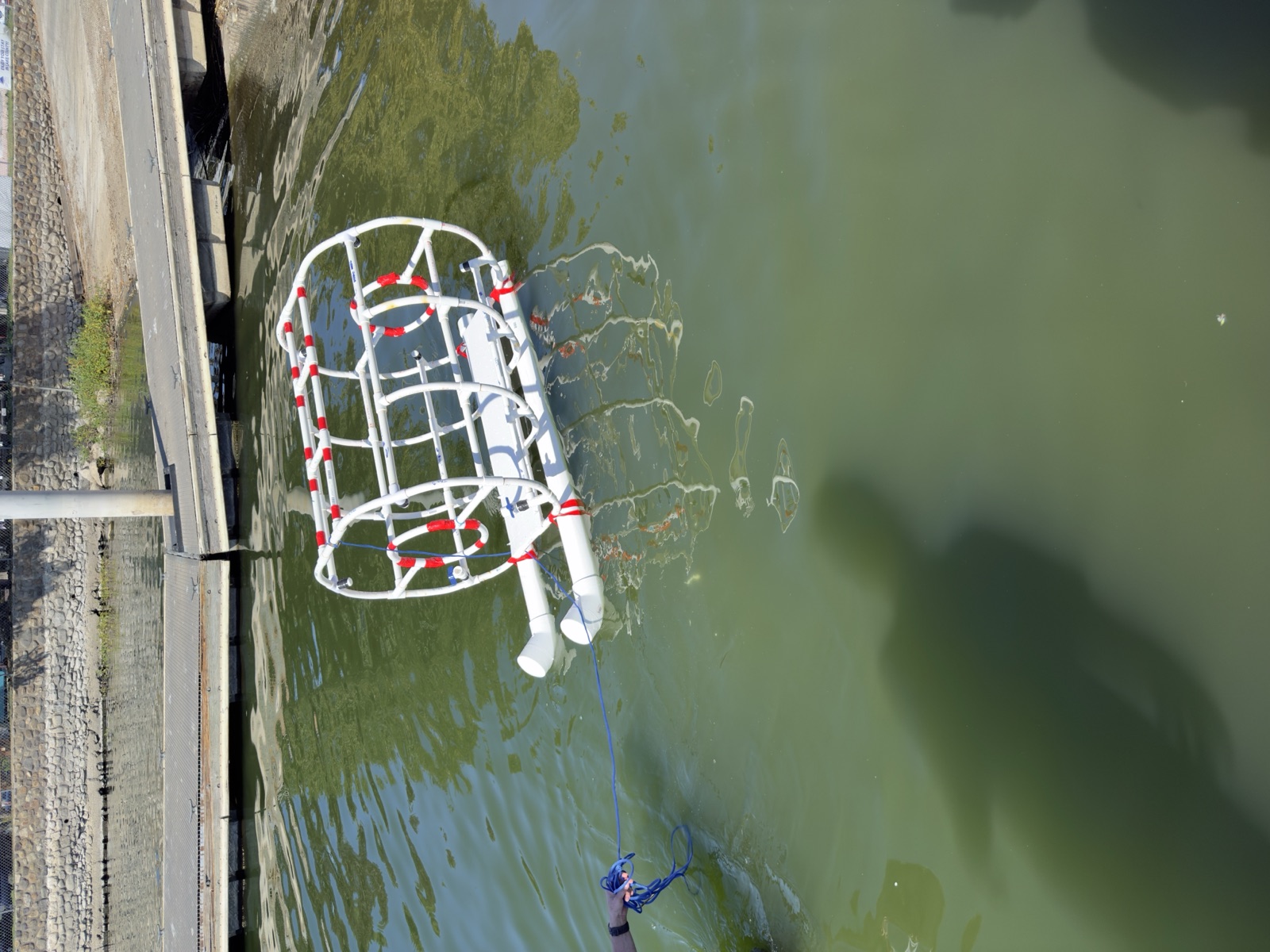
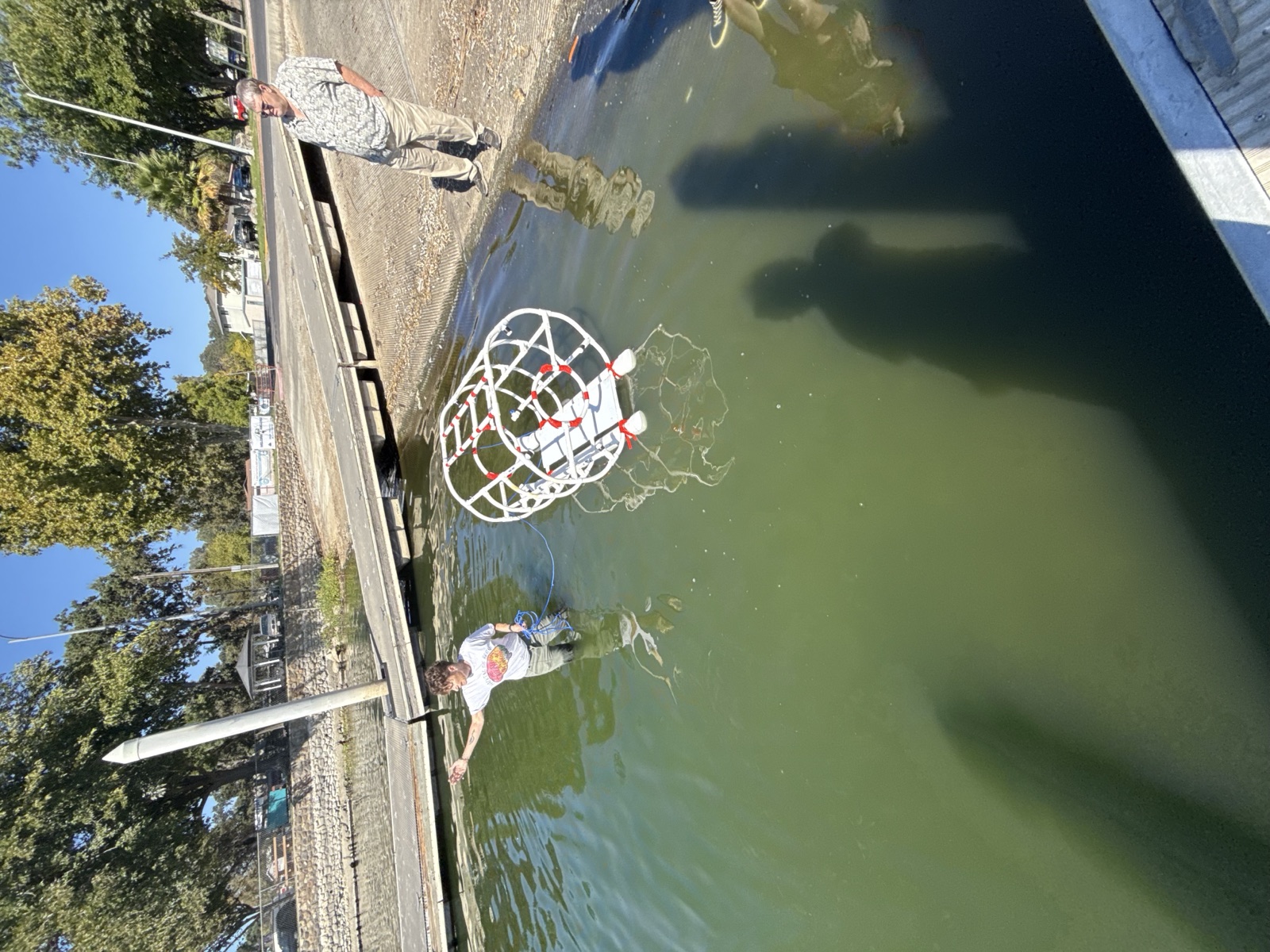
Prototype deployment for buoyancy and structural testing in Clear Lake, CA
Result
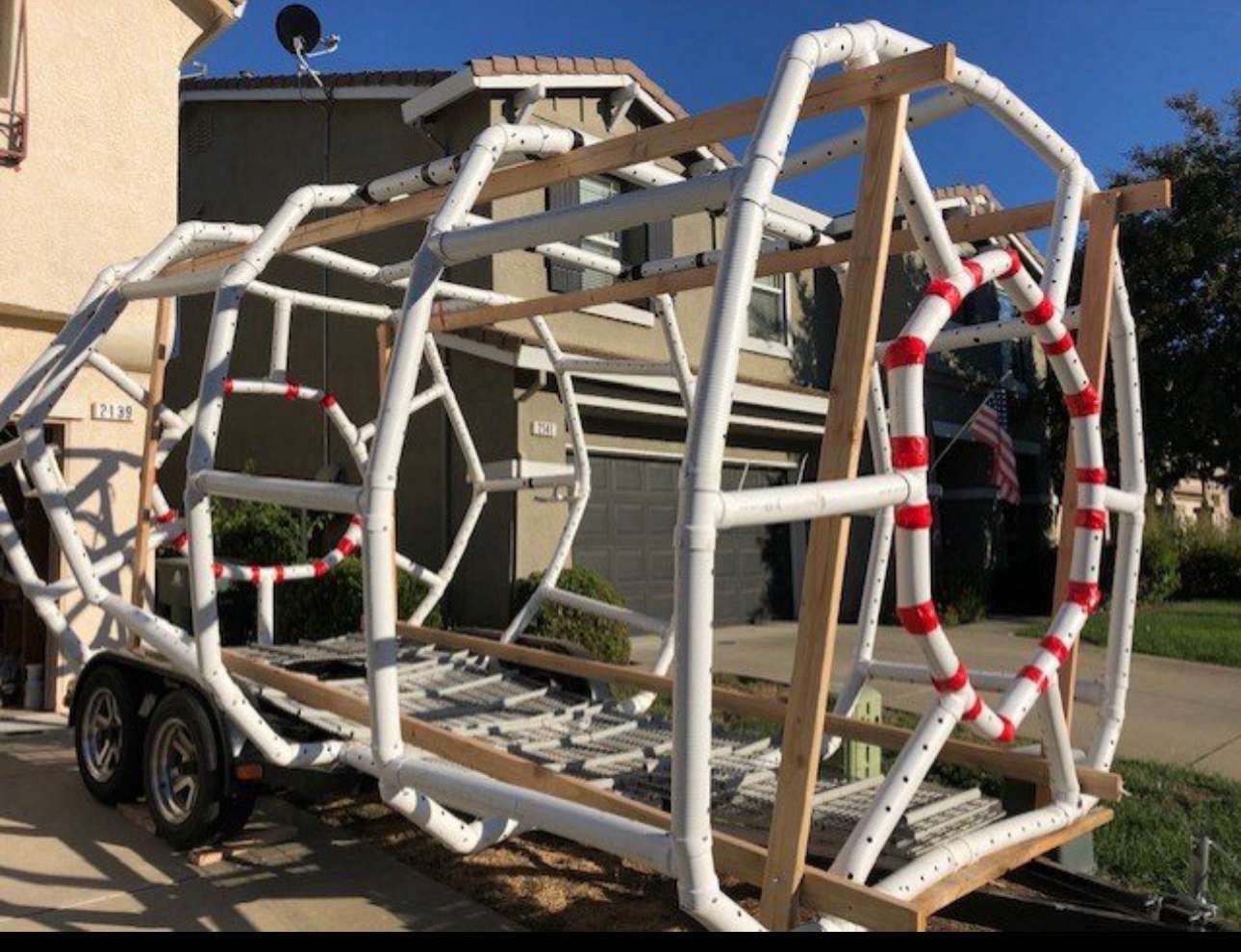
The validated design went into use training civilian astronaut candidates under mentorship from Yi Soyeon, South Korea's first astronaut, with a startup budget and a two-intern PVC build.
Reflection
Carrying SubX v3 from concept through CAD, fabrication, and open-water testing was my first full hardware ownership cycle, and it taught me to understand funding and material constraints before design, not after.